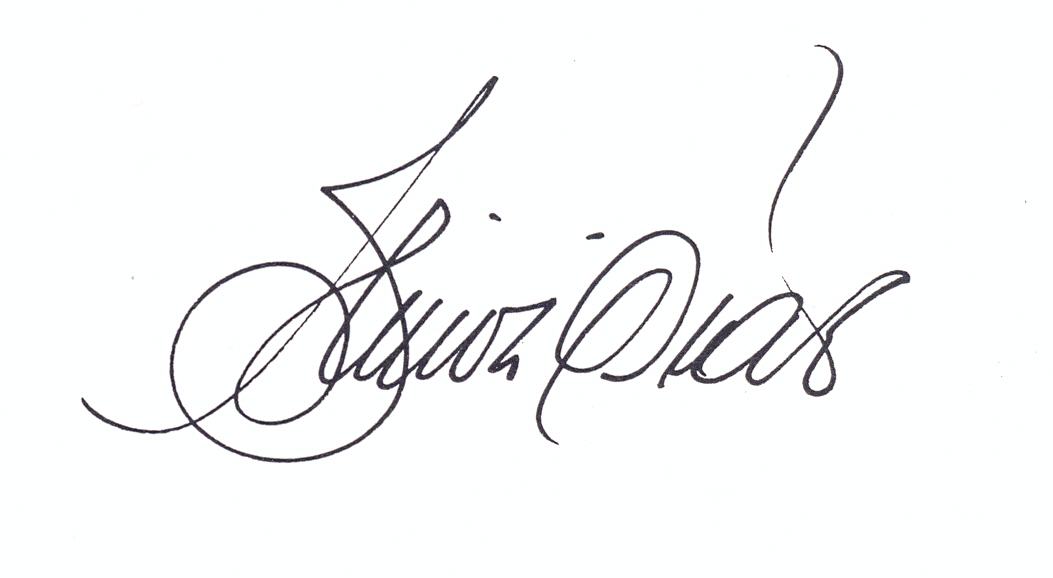
Biografía de Simón Díaz
El más célebre músico, compositor e intérprete del género tradicional venezolano.
Compositor, cantante y actor venezolano, nacido en Barbacoas, estado Aragua, el 8 de agosto de 1928. Desde temprana edad mostró su interés por la música y por las artes escénicas. A los 17 años consiguió ser atrilero de la Orquesta Siboney de San Juan de los Morros, estado Guárico; y al poco tiempo, ya incursionaba como cantante de boleros del citado grupo.
Las limitaciones económicas de su infancia le impidieron estudiar música, como era su deseo. Pero, al trasladarse a la capital, en 1949, se inscribió en la Escuela Superior de Música de Caracas, bajo la tutela del Maestro Vicente Emilio Sojo. Allí recibe sus primeras lecciones de teoría, solfeo y armonía, y avanza en su formación musical.
La primera experiencia de Simón Díaz en el espectáculo fue como actor, en el cine y la televisión. Su extraordinario talento histriónico le abrió paso para convertirse en uno de los grandes humoristas del país. En el programa de televisión “La quinta de Simón” (1962), que rompió todos los récords de sintonía del momento, caracterizaba al hombre del campo que llegaba a la ciudad en pos de una vida mejor. Este personaje persistió en el catálogo creativo de Simón Díaz, quien representaba al emigrado del campo a la ciudad desde una perspectiva tierna y empática que encontró mucha conexión en las audiencias.
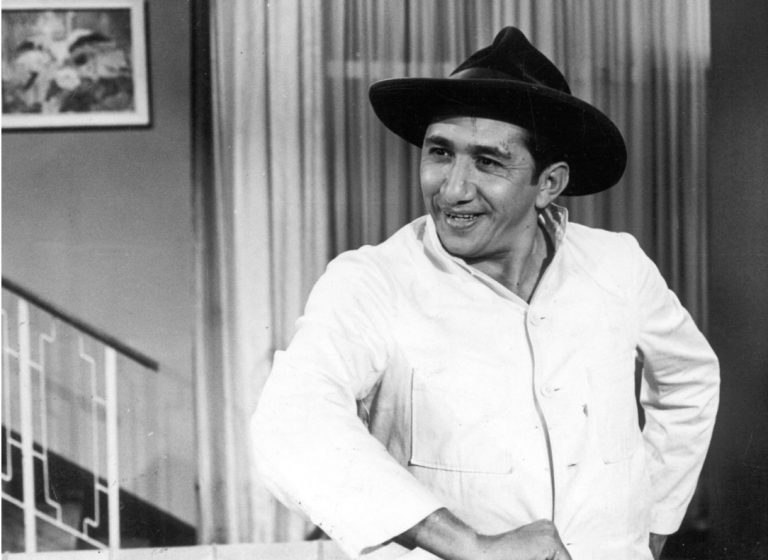
De la noche a la mañana, Simón Díaz gozaba de fama y plena aceptación popular. Pero no sólo fue a través del cine y la televisión, también la radio, el teatro y la música sirvieron de escenario para desplegar sus dotes de cantante, comediante y animador. En la década de los 60, se unió al músico venezolano Hugo Blanco, con quien grabó decenas de discos que animaban las fiestas navideñas con ritmos y cuentos jocosos, las famosas “Gaitas de Simón”, cuyos ejemplares se agotaban a las pocas semanas de salir al mercado.
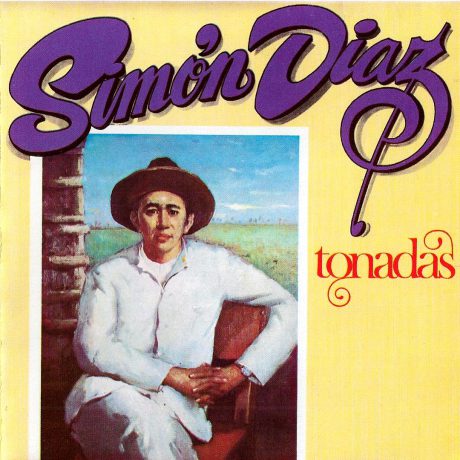
Aún inmerso en una gran popularidad como humorista, Simón Díaz desarrollaba su obra como compositor, un campo en el que interpretaría con singular talento e intuición el paisaje y el alma venezolana. Así, incluso en cada disco de gaitas, incluía alguna tonada de su autoría, que si bien contrastaba con el resto del repertorio, mostraba el lado profundo y poético de aquel Simón cómico y dicharachero. Estas tonadas, o aires de faena del campo que él traía en su andar, porque las había escuchado en el origen mismo donde florecían, al principio pasaron desapercibidas, esquivas del éxito comercial de las gaitas, parrandas y chistes. No sería sino hasta 1974 cuando decide redefinir su camino como creador y lanza al mercado quizás el más acariciado de sus sueños, su disco “Simón Díaz Tonadas”, donde muestra su carácter de autor y compositor. De inmediato atrae las miradas de cantantes y músicos nacionales e internacionales, y sus tonadas ingresan a los repertorios de artistas de rango internacional, como Mercedes Sosa, María La Foret, Marco Antonio Muñiz, Barbarito Diez, Caetano Veloso y Joan Manuel Serrat.
La resolución es definitiva. Se aparta del éxito seguro y se interna en su anhelo de siempre: escribir, componer y cantar la música venezolana. Sus raíces llaneras, la influencia de compositores como Rafael Hernández, Agustín Lara, y Carlos Gardel, y su enorme sensibilidad melódica, lo definieron como un músico de características únicas.
Los cantos de ordeño y arreo de ganado, devienen su principal razón de estudio y composición. Obras como “La Tonada del Cabrestero” y “La Tonada de Luna Llena”, ambas compuestas por Simón Díaz a principio de los años 60, serán el fundamento de un registro que celebra y rescata las cadencias, ayes y alegrías de la canta de trabajo. Luego se suman “Sabana”, “Mi querencia”, “Clavelito colorado”, “Arbolito sabanero”, “Garcita”, “Tonada del tormento”, que reconocen a la tonada llanera como un aire esencial de la música tradicional. Al mismo tiempo, transitó la diversa variedad rítmica de la música venezolana, con canciones como “El becerrito”, “Pasaje del olvido”, “El alcaraván”, “Mercedes”, hasta llegar a uno de los momentos más significativos de su carrera, “Caballo Viejo”.
“Caballo viejo”, pasaje llanero compuesto en 1980, le dio la vuelta al mundo en cientos de arreglos, versiones y traducciones, incluyendo los de Juan Gabriel, Plácido Domingo, Celia Cruz & Fania All Stars, entre otros, y le brindó al resto de sus composiciones una mayor visibilidad internacional. En 1994, el compositor y cantante brasileño Caetano Veloso incluyó “Tonada de luna llena” en su álbum “Fina Estampa”, versión que luego formó parte de la banda sonora de “La Flor de mi Secreto” de Pedro Almodovar. La coreógrafa alemana Pina Bausch selecccionó para su obra “Nur Du” canciones de Simón Díaz, y más tarde el cineasta Win Wenders, haría lo mismo en su película homenaje a la coreógrafa alemana.
Simón Díaz nunca se apartó ni de la radio ni de la televisión, donde siempre se le vio promoviendo y difundiendo la música y el folclor venezolano. Uno de sus más exitosos programas de televisión estuvo dedicado a los niños, experiencia de doce años que le valió el título cariñoso de Tío Simón con que todavía lo apelan los venezolanos.
Como cantante realizó innumerables giras internacionales, destacando su actuación en el Zankell Hall del Carnegie Hall, Barbican Center de Londres y el Palacio de Congresos de Madrid.
Entre los muchos reconocimientos que recibió están La Orden del Libertador en su clase de Gran Cordón, ocho Doctorados Honoris Causa de las más importantes universidades de su país y el LifeTime Achievement Award Latin Grammy 2008.
En 2006 se retiró de la escena pública por razones de salud que le impidieron continuar con su carrera y falleció en su casa de Caracas el 19 de febrero de 2014, rodeado de su familia.
Simón Díaz es reconocido como uno de los grandes representantes de la música tradicional venezolana y uno de los exponentes de lo popular más sólidos del continente.
Simón Díaz cantando Tonada del Cabrestero
Segmento del film: Isla de Sal
Director: De la Cerda/1963.
Simón Díaz interpreta Tonada del Cabrestero.
Letra y Música: Simón Díaz.